Category: Fashion

Collect some posts about fashion

  • Does Gender Equality Exist in High Fashion?

    Does Gender Equality Exist in High Fashion?

    Does Gender Equality Exist in High Fashion?

    Let’s be honest: gender equality in high fashion still feels like a distant dream.

    In 2025, out of 9 major announcements for creative director positions at top fashion houses, only 3 went to women: Sarah Burton at Givenchy, Louise Trotter at Bottega Veneta, and Veronica Leoni at Calvin Klein. Meanwhile, a viral photo of six white male creative directors working under the Kering umbrella sparked fresh debates: Why is it that in an industry catering primarily to women, men continue to dominate the decision-making roles?

    Sure, we have powerful female designers shaping luxury fashion—The Olsen twins (The Row), Grace Wales Bonner, Martine Rose, Catherine Holstein (Khaite), and Yoon (Ambush)—but most of them lead the brands they founded. When it comes to being appointed as creative director at major heritage brands, women remain significantly underrepresented.


    To put things into perspective:

    • Out of the 30 top luxury brands listed on the Vogue Business Index, only 8 currently have a female creative director.
    • At Central Saint Martins, around one-third of students are women, but over 70% of senior design roles are held by men.
    • According to the British Fashion Council’s 2024 Diversity & Inclusion Report, the number of female creative directors in luxury fashion is even lower than it was 15 years ago.

    Even though names like Grace Wales Bonner, Martine Rose, or even the beloved Phoebe Philo are often fan-favorites for top jobs, luxury conglomerates still tend to favor men when it comes to making appointments. A recent example: Matthieu Blazy replacing Virginie Viard at Chanel, which quietly sends the message, “If Chanel does it, why shouldn’t we?”

    Nina Ricci – French fashion designer (1883-1970)

    So why is this happening?

    There’s no simple answer. Gender equality is deeply tied to history, culture, biology, and social structures. For example, creative directors often reach their peak between the ages of 35–45—exactly when many women are navigating pregnancy and motherhood. And unlike other fields, fashion—especially luxury fashion—demands constant travel, overtime, and extreme intensity. Taking 1–2 years off to raise children can seriously derail a woman’s career in such a fast-paced industry.

    Phoebe Philo is one of the very few exceptions. She left Chloé in 2006 to have a baby and returned in 2008 to lead Céline. That kind of comeback is rare. Most companies won’t wait.

    Stella McCartney on Pioneering Sustainability in Fashion

    Another issue is the hiring mindset. When choosing someone for a creative role, decision-makers often go with their gut—“Who feels like the right fit?” And in boardrooms dominated by men, the person who “fits” often happens to be… another man. It’s not always intentional, but men naturally click more with other men in a work setting. That’s just human behavior.

    Also, from a business standpoint, it’s risky to appoint someone who might need to step away for a year. Love and admiration for women aside, what brands care most about is profit and continuity. Until that changes, real gender balance will be hard to achieve.

    So no, we’re not there yet. And to be honest, I don’t think we’ll get there anytime soon. But conversations like this matter. Numbers matter. Awareness matters.

    And maybe, just maybe, change is slowly coming—one show, one voice, one hire at a time.
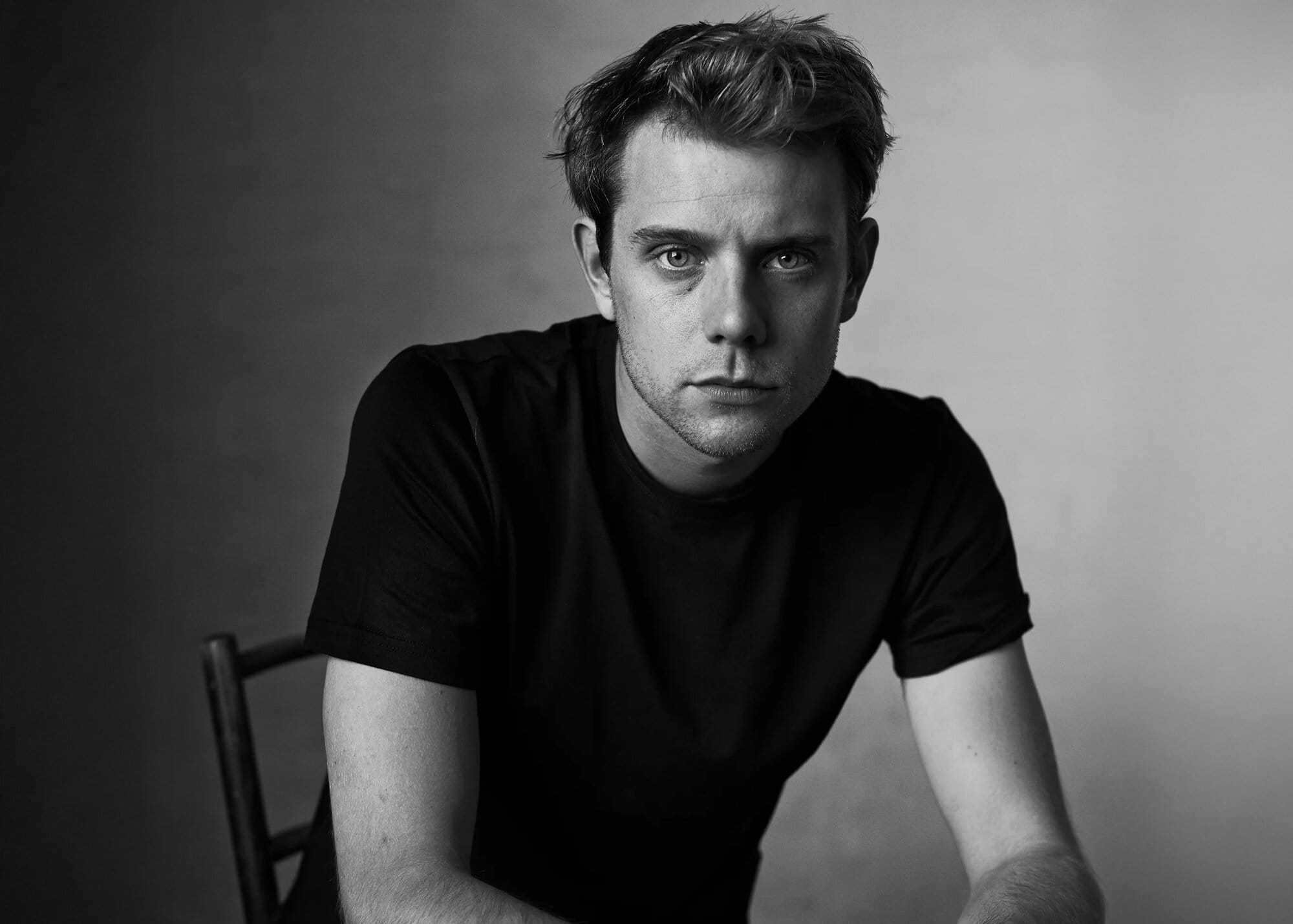
  • Jonathan Anderson: A Very Long Quiet Quest

    Jonathan Anderson: A Very Long Quiet Quest

    The next-door genius rewriting fashion’s rules one silent breakthrough at a time.

    Whispers are circling again. Jonathan Anderson, the design powerhouse behind LOEWE and JW Anderson, might just be next in line for Dior—replacing not one but two of the most influential creative directors in modern fashion: Maria Grazia Chiuri and Kim Jones.

    It’s not a wild rumor. At 40, Anderson has already proven himself as one of fashion’s most relentless creative minds. He delivers 12 collections a year across two brands, frequently dabbles in art and costume design, and yet remains consistently shortlisted for the industry’s top honors. While others rose to stardom with celebrity appeal or PR theatrics, Anderson stayed quietly, unshakably consistent. He never served as anyone’s understudy. From launching JW Anderson to becoming the youngest creative director appointed by LVMH to revitalize LOEWE, his path has been nothing short of mythic.


    Born under Virgo’s sign—calm, cerebral, obsessive—his work is a case study in “meaningful fashion.” JW Anderson challenges culture head-on with androgynous silhouettes and disruptive shapes; LOEWE, in contrast, is his sacred ground for craftsmanship and quiet storytelling. When he showed men’s tops inspired by women’s corsetry in 2013, even Donatella Versace admitted she didn’t understand him—until later. But legends like Karl Lagerfeld and Suzy Menkes got it from day one. That same year, LVMH acquired stakes in JW Anderson and handed him the keys to LOEWE.

    Unlike the hype-fueled rise of other creative directors, Anderson rebuilt LOEWE with almost monk-like focus: rebranding the logo, renovating boutiques into art spaces, and showcasing obscure crafts from around the world. His shows often feature surreal, almost absurd motifs: inflatable balloon dresses, skirts that float like they’re from an 8-bit video game, clutch bags shaped like tomatoes from internet memes. But behind the humor is something serious—deep observations about art, politics, and society, turned into fashion with a wink.

    One of his signature pieces, the Puzzle bag, speaks volumes. Hand-assembled from 75 individual leather pieces, it folds like origami and can be worn five different ways. That complexity isn’t for show—it’s a love letter to traditional craftsmanship. While Bottega Veneta often gets praise for spotlighting artisanship, Anderson has been doing it quietly, obsessively, for over a decade. From elephant and bunny bags to wood-framed skirts, he challenges LOEWE’s artisans with every new idea.


    When LVMH was evaluating him for LOEWE, Anderson didn’t send in a slick portfolio—he made a hand-cut scrapbook full of old fashion magazine clippings. Today, he curates the boutiques himself, choosing design objects and artworks depending on the city: Morris chairs, Japanese ceramics, Hodgkin’s printing press… Each store becomes a contemporary art installation. That effort has given LOEWE unmatched cultural credibility and strengthened its partnerships across the art world.

    But Anderson isn’t all intellect—he’s also sheer stamina. The son of a professional Irish rugby player, he often credits his father for teaching him what fashion really is: “Fashion is perseverance. It’s effort. It’s not just fame and power. My dad always told me: it’s a rag trade. You have to show up every day and do the work.”

    Anderson grew up with dyslexia, which forced him to constantly find new ways of learning and focusing. Today, he can juggle multiple projects at once—Super Bowl costumes for Rihanna, stage outfits for Beyoncé, film costume collaborations, seasonal collections, high-street collabs… all in a day’s work. But the pressure doesn’t faze him.

    “I’m probably my own worst critic,” he once said. “If I ever think I’ve made it, I’ll quit. Because the moment you know where you stand, it’s over. Success is a mountain without a summit. If you reach the top, you’ll realize there’s nothing there. That’s why I keep climbing.”

    LOEWE used to be a small brand. No one imagined what it could become. Jonathan did. And he built it with vision, discipline, and the quiet confidence of someone who doesn’t need to shout to conquer.